
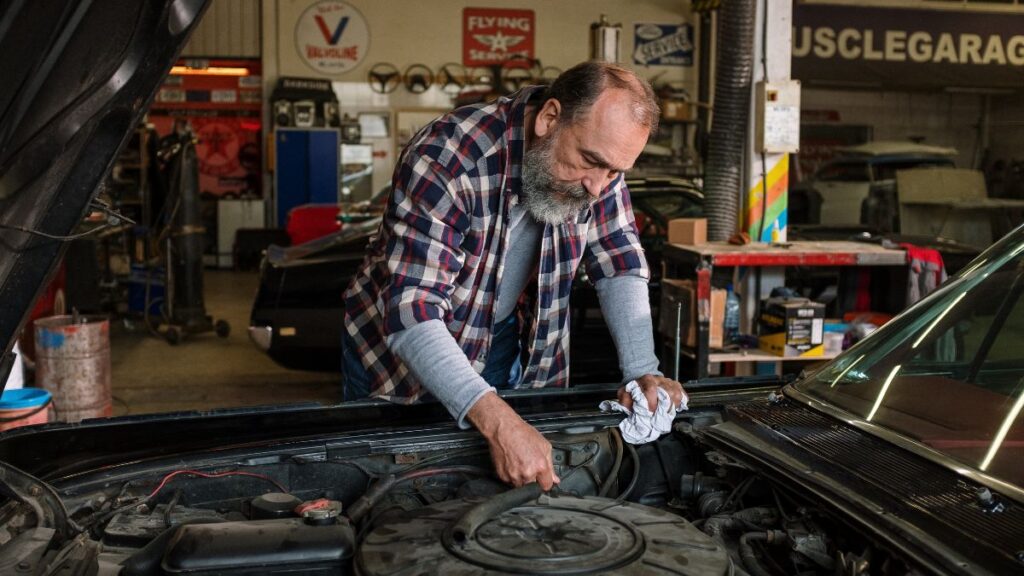
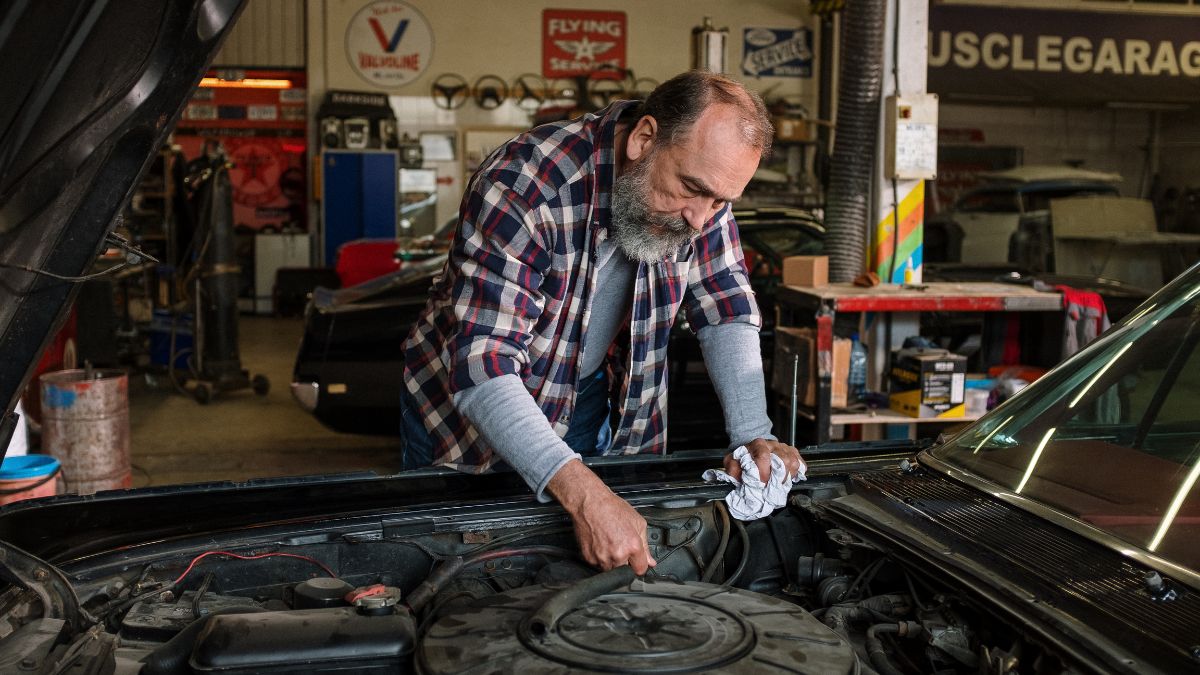
Your mechanic just handed you a repair estimate that made your stomach drop.
Maybe it is a broken axle. A bad alternator. Transmission work that costs more than you made last month. Whatever it is the car is not moving until someone pays for the fix. And your bank account is telling a different
story right now.
\This is where a signature loan for car repair becomes worth knowing about. It is fast, it does not require you to put up your home or another vehicle as collateral, and the application takes less time than waiting at the shop counter. Whether this is the right move for you depends on your situation, but at least you will walk away from this page knowing exactly what the option looks like.
If you have never heard of this type of loan before, our guide on what a signature loan is and how to get one is a good place to start before reading the rest of this post.
What a Signature Loan Actually Is
A signature loan is an unsecured personal loan. The word unsecured means nothing is backing it except your promise to repay. No car title. No home equity. No savings account held as security. The lender looks at your income and your credit history to decide whether you are a reasonable bet and hands over the cash if they say yes.
The name comes from the fact that your literal signature on the loan agreement is the only guarantee the lender holds.
For car repairs specifically, this matters because a lot of people do not have a spare car title or savings account they are comfortable pledging as collateral. You just need the car fixed. A signature loan treats the repair like what it is, which is a necessary short-term expense, not a reason to hand over the keys to something else you own.
Why Car Repair Bills Are So Hard to Handle Out of Pocket
Here is the honest version of why people end up looking at loans for car repairs.
Most financial advice says to keep three to six months of expenses in an emergency fund. Most people do not have it. Studies from the Federal Reserve consistently show that a large portion of American adults cannot cover a 400 dollar unexpected expense from savings alone. A basic brake job runs between 300 and 800 dollars. An engine mount or timing belt can push past 1500 dollars easily. For a lot of households, that number is simply not sitting in a checking account.
And the car is not optional. If you drive to work, dropping the car off for a week is not a minor inconvenience. It is a threat to your income. The cost of missing work can quickly exceed the cost of the repair itself, which is why waiting and saving up is not always a real option.
What Makes a Car Repair Emergency
Not every repair needs a loan. But some situations really do push people into needing cash right now.
The car fails inspection and cannot legally be driven without the repair. Your only vehicle breaks down, and you have kids to get to school or a job that cannot be done remotely. The shop gives you a tight window to authorize repairs before storage fees start adding up. A minor issue was ignored and turned into a major one that will only get more expensive if you wait another month.
These are not financial decisions made carelessly. There are situations where borrowing is the lowest cost option available.
How a Signature Loan for Car Repair Actually Works
The process is simpler than most people expect.
You apply online or in person to a lender who offers signature loans. The application asks for basic personal and financial information. Your name, address, employer, monthly income, bank account details, and your social security number for identity verification. The whole form usually takes 10 to 15 minutes.
The lender reviews the information. Some do a soft credit inquiry at this stage, which does not affect your credit score. Some use alternative data, like your bank statement history, to verify income. You get a decision sometimes in minutes, sometimes within a few hours.
If you are approved, you review the offer. It will show the loan amount, the interest rate, the monthly payment, the total number of payments, and any fees. You sign the agreement, and the money is deposited directly into your bank account.
From there, the shop gets paid, and the car gets fixed.
How Fast Can You Get the Money
For most online lenders offering emergency car repair loans, the timeline looks like this.
Apply on a weekday morning, and same-day funding is possible. Apply in the afternoon or evening, and the deposit clears the next business morning. Apply on a weekend, and the funds typically land on Monday.
This speed is one of the main reasons people choose signature loans over going through their bank. Traditional personal loans from a bank or credit union can take three to seven business days just to process. When the repair shop is holding your vehicle, that wait is genuinely not workable.
What Documents Do You Need Ready
Getting your documents together before you start the application speeds things up considerably.
A government-issued photo ID, such as a driver’s license or state ID. Proof of income from the last 30 to 60 days. This can be a pay stub, a recent bank statement, or a benefits letter if you receive Social Security or disability income. An active checking account that accepts direct deposits. A working phone number and email address.
That is the standard list. Some lenders ask for nothing beyond the online form. Others want a quick verification call. Either way, it is far less paperwork than a bank loan or a secured product.
Comparing a Signature Loan to Other Ways People Pay for Car Repairs
Most people do not have just one option. Here is how the signature loan stacks up against what you might already be considering.
H3: Credit Cards
Credit cards are fast and convenient. If you have available credit, you can hand the card to the shop and drive away. The problem is that the average credit card APR right now sits between 21 and 28 percent for most consumers. If you carry that balance for a year, a 1500 dollar repair ends up costing you 300 to 400 dollars in interest on top of the repair itself.
A signature loan may carry a lower rate depending on your credit. And the fixed monthly payment structure means you have a clear payoff date instead of a minimum payment cycle that drags on.
Payday Loans
This is the option worth being most careful about. Payday loans are fast and widely available, but their APR can climb above 300 percent in some states. A 500 dollar payday loan might cost 75 to 100 dollars in fees for a two-week period. If you cannot pay it back in full on your next paycheck, the rollover fees stack up quickly, and the debt grows.
A short-term signature loan is not the same product. It is an installment loan with fixed monthly payments spread across several months. The rate is almost always lower than that of a payday loan. The repayment is more manageable. The two are easy to confuse in name but very different in structure.
Auto Title Loans
A title loan uses your car as collateral. The lender holds the title until the loan is repaid. If you miss payments, they can repossess the vehicle. Using a car title loan to pay for repairs on that same car introduces a real risk. You could end up losing the car you were trying to save.
A signature loan does not require putting the car up. That distinction matters a lot in a repair situation.
Borrowing From Family or Friends
Free of interest in most cases. But it costs something emotionally and can change relationships in ways that outlast the debt. If you go this route, write out the terms clearly. Both people knowing the repayment plan removes a lot of the awkward moments later.
When a Signature Loan for Car Repair Actually Makes Sense
Not every situation calls for a loan. Here is a clear way to think about whether this is the right call for you.
A signature loan makes sense when your car is directly tied to your income, and being without it costs you money. It makes sense when the repair cost is higher than your current savings can absorb without wiping out your cushion entirely. It makes sense when you have a steady monthly income that can comfortably cover the repayment without squeezing every other expense. And it makes sense when the alternative is higher interest debt, like a payday loan or a credit card you will carry for a year.
If the repair is minor and you can cover it in two or three weeks just by watching your budget, that is probably the better move. A loan is a tool, not a default. Use it when it actually saves you money or protects your income, not just because it is convenient.
H2: Understanding the Real Cost Before You Sign
The advertised rate is not always the rate you receive. A few things affect what a signature loan actually ends up costing you.
Your credit score has the biggest impact. Borrowers with strong credit can qualify for rates in the 8 to 16 percent range with some lenders. Borrowers with fair or poor credit may see rates in the 25 to 36 percent range. If your credit history is rough right now, our post on short term signature loans for bad credit breaks down what to expect and which lenders actually work with low credit scores.
Origination fees are deducted from the loan before you receive the funds. A 1500 dollar loan with a 5 percent origination fee puts 1425 dollars in your account while your obligation is still 1500. Always ask about this and factor it into the amount you request.
The loan term changes the total cost significantly. A 1500 dollar loan at 20 percent APR over 12 months costs you roughly 170 dollars in interest. The same loan stretched over 24 months costs you about 340 dollars. The monthly payment is smaller, but the total cost is higher.
Read the full repayment schedule in the loan agreement before you sign. Lenders are required to disclose the total interest and fees. That number tells the real story.
Tips for Getting a Better Deal on an Emergency Car Repair Loan
A few small steps before you apply can save you a meaningful amount of money.
Get the repair quote in writing first. Borrowing the exact amount you need instead of rounding up prevents paying interest on money you never used.
Check prequalification offers from at least two or three lenders before you commit. Many lenders let you see estimated rates with only a soft inquiry, meaning no impact on your credit score until you formally apply. A half hour of comparing saves real dollars.
If you already have an account at a credit union or community bank, ask them first. Members often receive better rates and faster processing than outside applicants.
Look at the total repayment amount, not just the monthly payment. A lower monthly payment that extends the loan 6 extra months can cost you more overall.
Confirm the lender is licensed in your state. A quick search on your state department of financial institutions website shows who is authorized to lend there. If they are not on the list, that is a real warning sign.
Common Mistakes That End Up Costing More
These are the patterns worth avoiding.
Borrowing more than the repair costs. The extra cash feels helpful in the moment, but you pay interest on every dollar.
Choosing the longest available repayment term to minimize the monthly payment without looking at the total interest paid across the life of the loan.
Applying for multiple loans at once. Each hard credit inquiry drops your score slightly. Several at once can knock it down more than necessary. Use soft pull prequalification tools first.
Ignoring the fine print on fees. Prepayment penalties, late payment fees, and returned payment fees are all real costs that lenders are required to disclose. Five minutes of reading the fine print is worth it.
What to Do If You Cannot Make a Payment
Life happens. If a payment is coming up and you know you cannot make it, the worst thing you can do is ignore it.
Call the lender before the due date. Most lenders offer a hardship option for borrowers who reach out proactively. This can take the form of a deferred payment, a reduced payment for one month, or a temporary adjustment to the payment schedule.
Missing a payment without communication triggers a late fee and damages your credit score. It can also affect your eligibility for future loans. A five-minute phone call almost always opens better options than saying nothing.
Other Situations Where People Use Short-Term Signature Loans
Car repairs are one of the most common reasons people apply for emergency loans, but they are far from the only one. People use these same loans to cover rent when a paycheck is delayed, to handle an unexpected medical bill, or to get through a gap between jobs.
If you are also dealing with a housing crunch on top of car issues, our post on emergency loans for rent and bills with bad credit covers that specific situation in detail.
The process is the same. The loan structure is the same. The only thing that changes is what the money goes toward.
Final Thoughts on Using a Signature Loan for Car Repair
A signature loan for car repair is not the cheapest borrowing option in every situation. But compared to payday loans, title loans, or carrying a credit card balance for 18 months, it often ends up being a smarter and safer choice.
The key is going in with clear numbers. Know what the repair costs are. Know what the loan will cost you in total. Know what the monthly payment will do to your budget for the next several months. If all of those numbers make sense together, you have a tool that gets your car fixed and keeps your finances intact.
Getting your car back on the road protects your income, your family, and your peace of mind. A short-term signature loan used carefully is often the bridge that makes that happen.






WXEdzFZpZfgLOKzmUFoFuE